mirror of
https://github.com/fcwu/docker-ubuntu-vnc-desktop
synced 2025-12-06 16:32:47 +01:00

118 lines
3.5 KiB
Markdown
118 lines
3.5 KiB
Markdown
docker-ubuntu-vnc-desktop
|
|
=========================
|
|
|
|
[](https://hub.docker.com/r/dorowu/ubuntu-desktop-lxde-vnc/)
|
|
[](https://hub.docker.com/r/dorowu/ubuntu-desktop-lxde-vnc/)
|
|
|
|
Docker image to provide HTML5 VNC interface to access Ubuntu 16.04 LXDE desktop environment.
|
|
|
|
Quick Start
|
|
-------------------------
|
|
|
|
Run the docker container and access with port `6080`
|
|
|
|
```
|
|
docker run -p 6080:80 dorowu/ubuntu-desktop-lxde-vnc
|
|
```
|
|
|
|
Browse http://127.0.0.1:6080/
|
|
|
|
<img src="https://raw.github.com/fcwu/docker-ubuntu-vnc-desktop/master/screenshots/lxde.png?v1" width=700/>
|
|
|
|
|
|
VNC Viewer
|
|
------------------
|
|
|
|
Forward VNC service port 5900 to host by
|
|
|
|
```
|
|
docker run -p 6080:80 -p 5900:5900 dorowu/ubuntu-desktop-lxde-vnc
|
|
```
|
|
|
|
Now, open the vnc viewer and connect to port 5900. If you would like to protect vnc service by password, set environment variable `VNC_PASSWORD`, for example
|
|
|
|
```
|
|
docker run -p 6080:80 -p 5900:5900 -e VNC_PASSWORD=mypassword dorowu/ubuntu-desktop-lxde-vnc
|
|
```
|
|
|
|
A prompt will ask password either in the browser or vnc viewer.
|
|
|
|
HTTP Base Authentication
|
|
---------------------------
|
|
|
|
This image provides base access authentication of HTTP via `HTTP_PASSWORD`
|
|
|
|
```
|
|
docker run -p 6080:80 -e HTTP_PASSWORD=mypassword dorowu/ubuntu-desktop-lxde-vnc
|
|
```
|
|
|
|
SSL
|
|
--------------------
|
|
|
|
To connect with SSL, generate self signed SSL certificate first if you don't have it
|
|
|
|
```
|
|
mkdir -p ssl
|
|
openssl req -x509 -nodes -days 365 -newkey rsa:2048 -keyout ssl/nginx.key -out ssl/nginx.crt
|
|
```
|
|
|
|
Specify SSL port by `SSL_PORT`, certificate path to `/etc/nginx/ssl`, and forward it to 6081
|
|
|
|
```
|
|
docker run -p 6081:443 -e SSL_PORT=443 -v ${PWD}/ssl:/etc/nginx/ssl dorowu/ubuntu-desktop-lxde-vnc
|
|
```
|
|
|
|
Screen Resolution
|
|
------------------
|
|
|
|
The Resolution of virtual desktop adapts browser window size when first connecting the server. You may choose a fixed resolution by passing `RESOLUTION` environment variable, for example
|
|
|
|
```
|
|
docker run -p 6080:80 -e RESOLUTION=1920x1080 dorowu/ubuntu-desktop-lxde-vnc
|
|
```
|
|
|
|
Default Desktop User
|
|
--------------------
|
|
|
|
The default user is `root`. You may change the user and password respectively by `USER` and `PASSWORD` environment variable, for example,
|
|
|
|
```
|
|
docker run -p 6080:80 -e USER=doro -e PASSWORD=password dorowu/ubuntu-desktop-lxde-vnc
|
|
```
|
|
|
|
Sound (Preview version and Linux only)
|
|
-------------------
|
|
|
|
It only works in Linux.
|
|
|
|
First of all, insert kernel module `snd-aloop` and specify `2` as the index of sound loop device
|
|
|
|
```
|
|
sudo modprobe snd-aloop index=2
|
|
```
|
|
|
|
Start the container
|
|
|
|
```
|
|
docker run -it --rm -p 6080:80 --device /dev/snd -e ALSADEV=hw:2,0 dorowu/ubuntu-desktop-lxde-vnc
|
|
```
|
|
|
|
where `--device /dev/snd -e ALSADEV=hw:2,0` means to grant sound device to container and set basic ASLA config to use card 2.
|
|
|
|
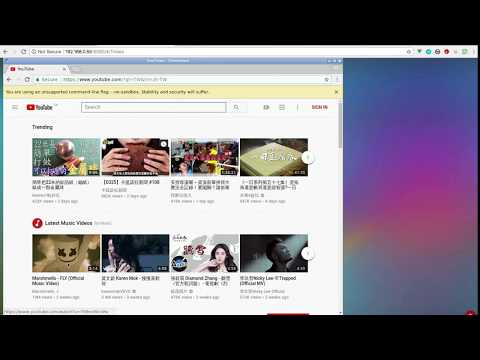
Launch a browser with URL http://127.0.0.1:6080/#/?video, where `video` means to start with video mode. Now you can start Chromium in start menu (Internet -> Chromium Web Browser Sound) and try to play some video.
|
|
|
|
Following is the screen capture of these operations. Turn on your sound at the end of video!
|
|
|
|
[](http://www.youtube.com/watch?v=Kv9FGClP1-k)
|
|
|
|
|
|
Troubleshooting and FAQ
|
|
==================
|
|
|
|
1. boot2docker connection issue, https://github.com/fcwu/docker-ubuntu-vnc-desktop/issues/2
|
|
|
|
|
|
License
|
|
==================
|
|
|
|
See the LICENSE file for details.
|